Retrieving Lost Pages in History
Abstract
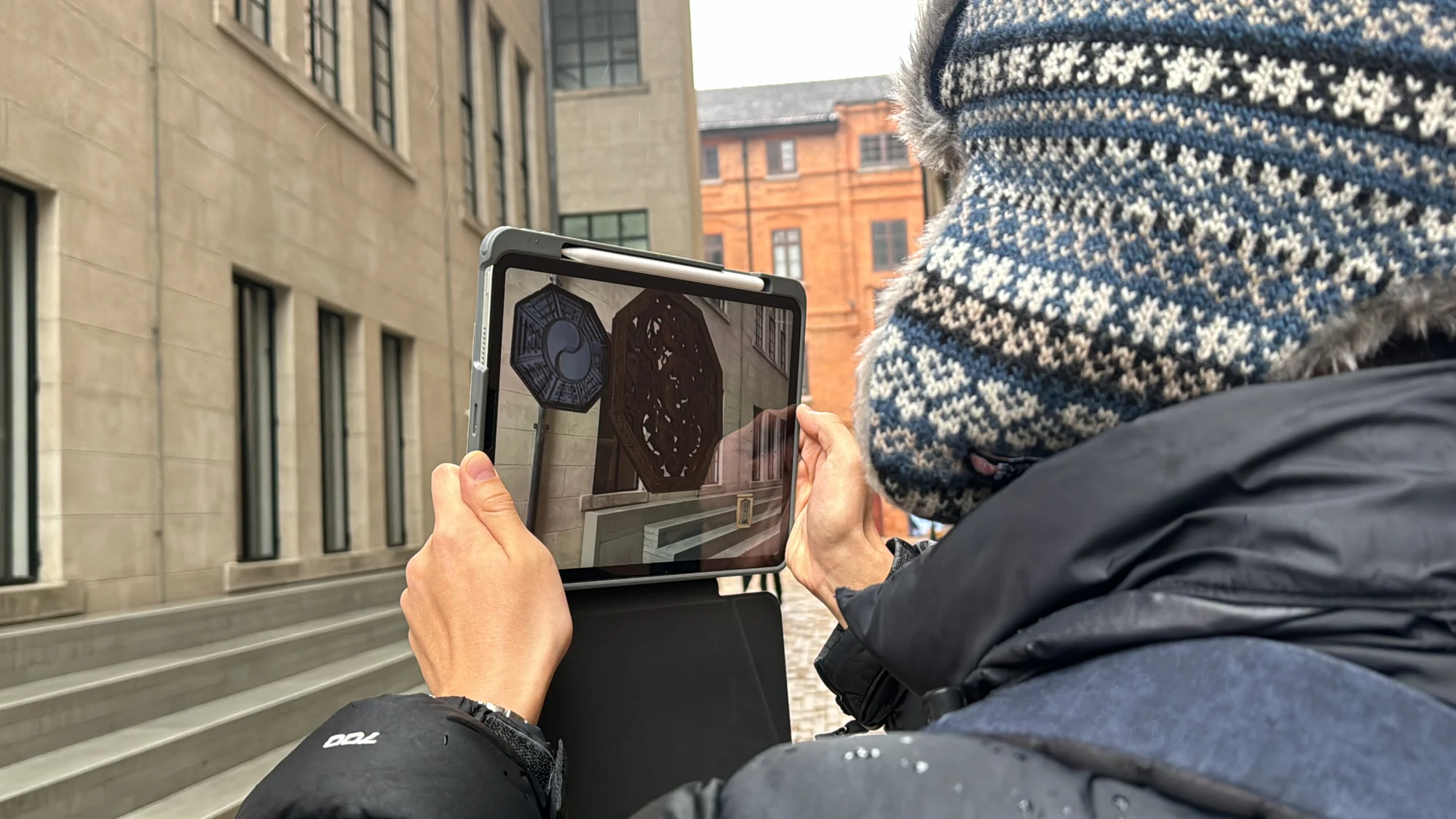
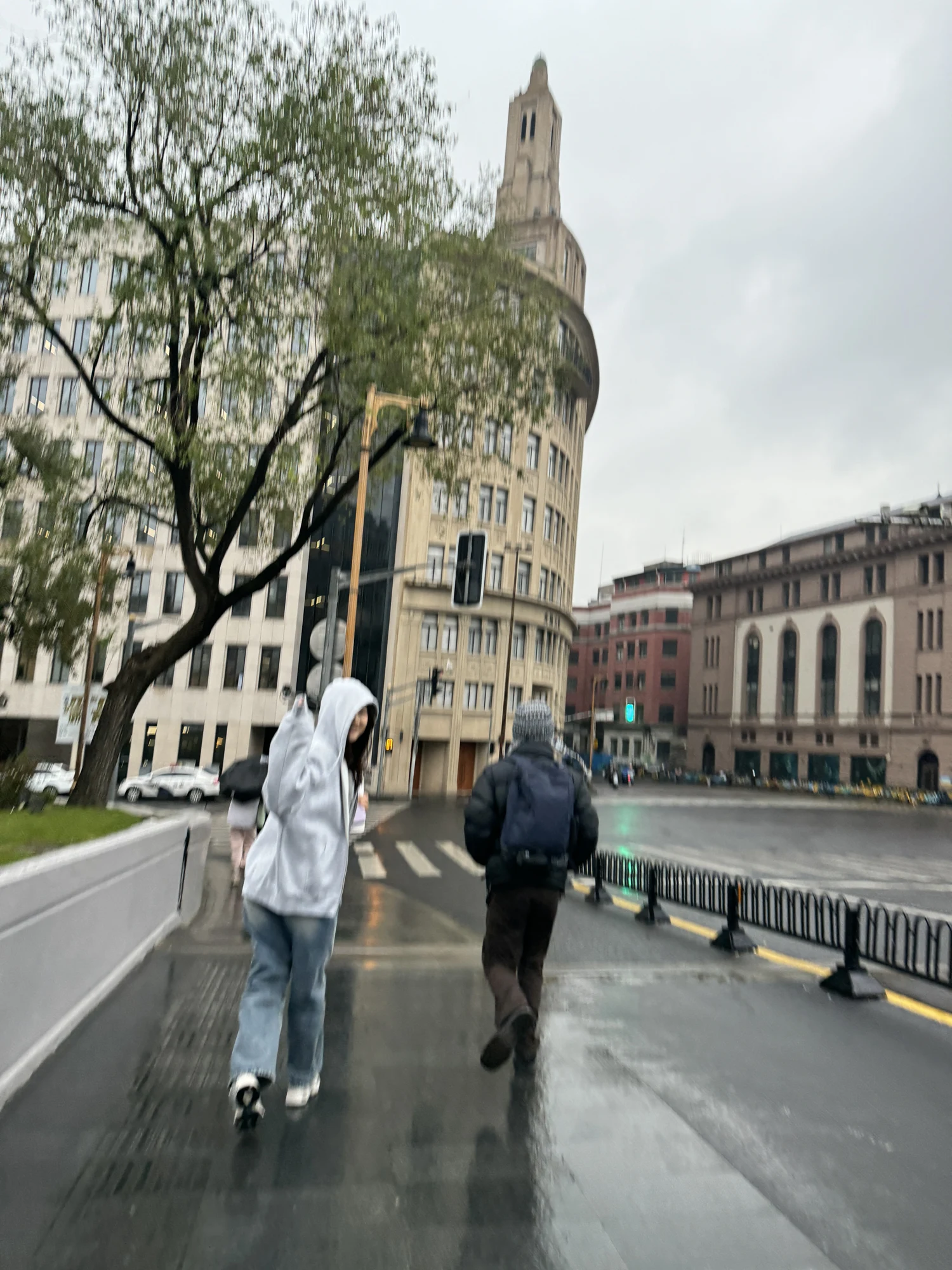
Our project, Retrieving Lost Pages in History: The Royal Asiatic Society Building, integrates augmented reality (AR) and artificial intelligence (AI) to preserve and reimagine cultural heritage. Anchored in archival research and field trips to the RAS building in Shanghai, we crafted an immersive educational experience that highlights its architectural and historical significance.
Architectural and Historical Context
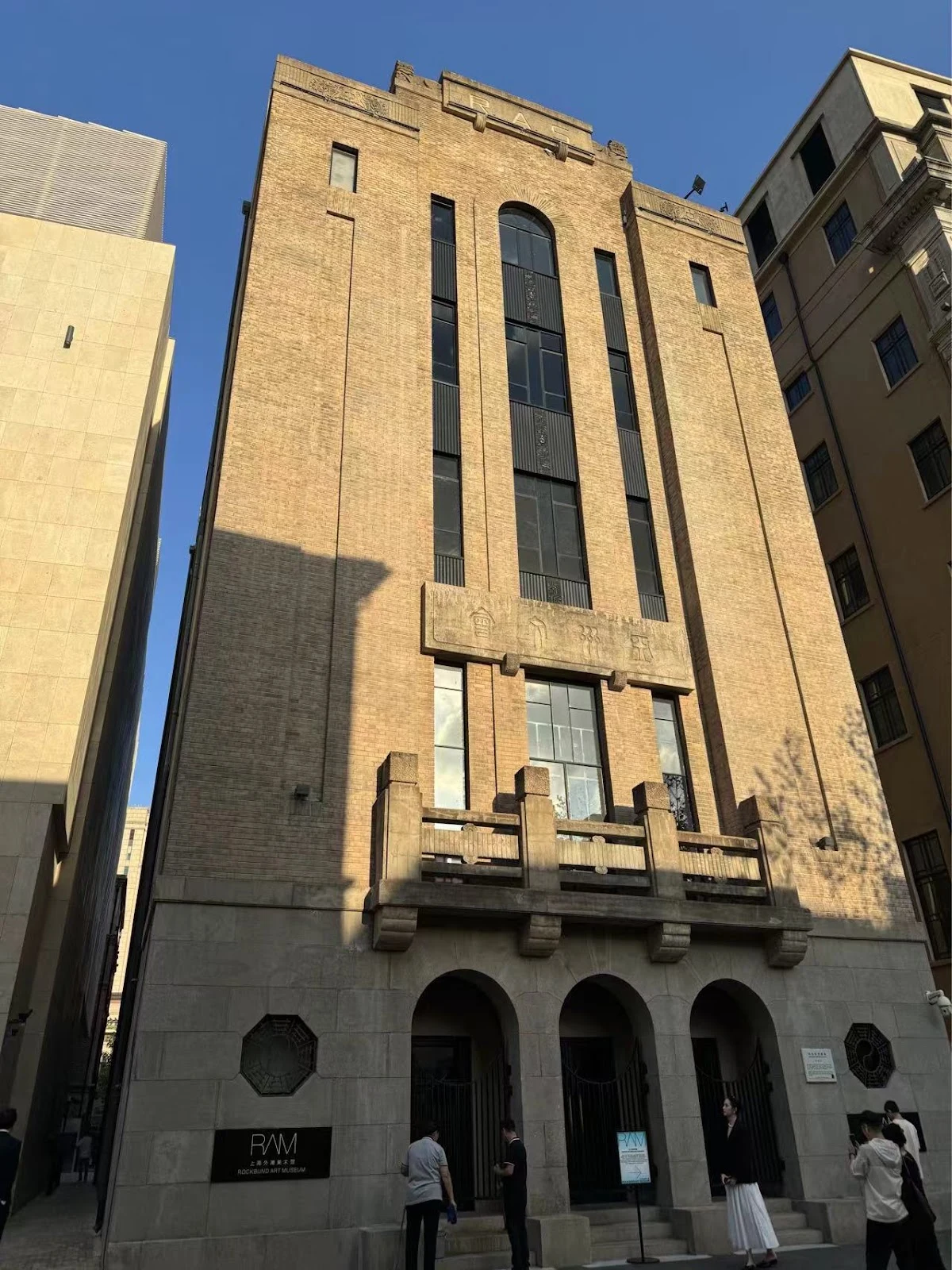
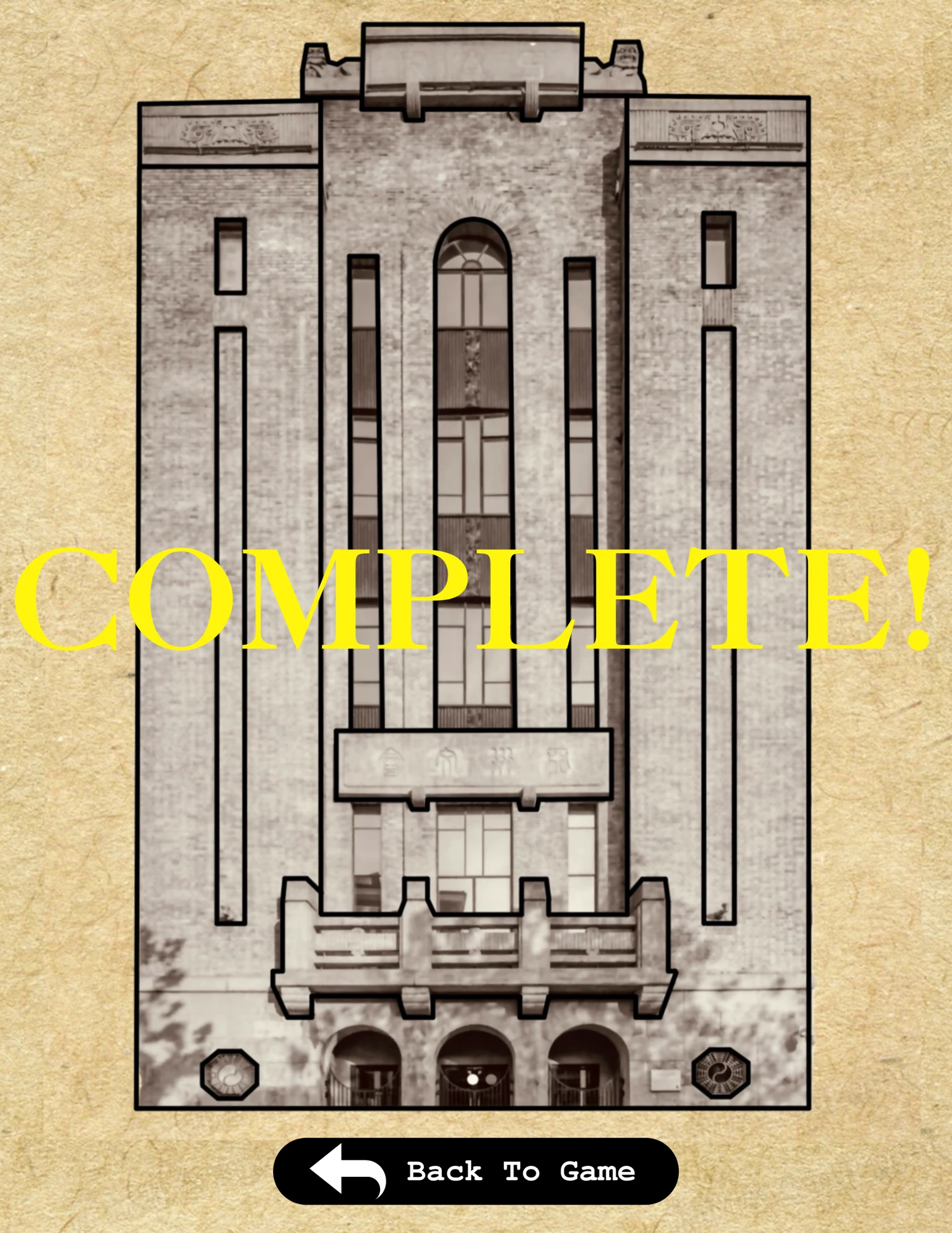
The RAS building is a typical Art Deco building, featuring a symmetrical façade, bold geometric patterns, and smooth wall surface. The Art Deco style flourished in Shanghai in the 1930s, but what makes this building special is that the decorative fragments on the Facade are drawn inspiration from traditional Chinese elements, including Taotie patterns, plaques, yin-yang shape windows, and stone lions.
Aiming to gain a profound understanding of the RAS building by looking into its functionality as the working space for the North China Branch of the Royal Asiatic Society, research on the members of the RAS and their own scholarly achievements was conducted. Among all the scholars who worked in the RAS, Florence Ayscough was extremely eye-catching. Ayscough (1870-1942), known in her Chinese name as 爱诗客, she focused on translating Chinese classic poetry into poetic English, bridging Chinese and Western cultures—a goal aligned with the RAS. We featured Ayscough as the game’s guide, sharing thoughts and knowledge on the RAS and the architecture.
Storyline, Graphics & Audio Design
Storyline Design
In our project, players will step into 1940s Shanghai, guided by Florence Ayscough. Through her narration, users explore the RAS Building, uncovering its architectural fragments and piecing them together to reconstruct the façade.
Graphics & UI Design
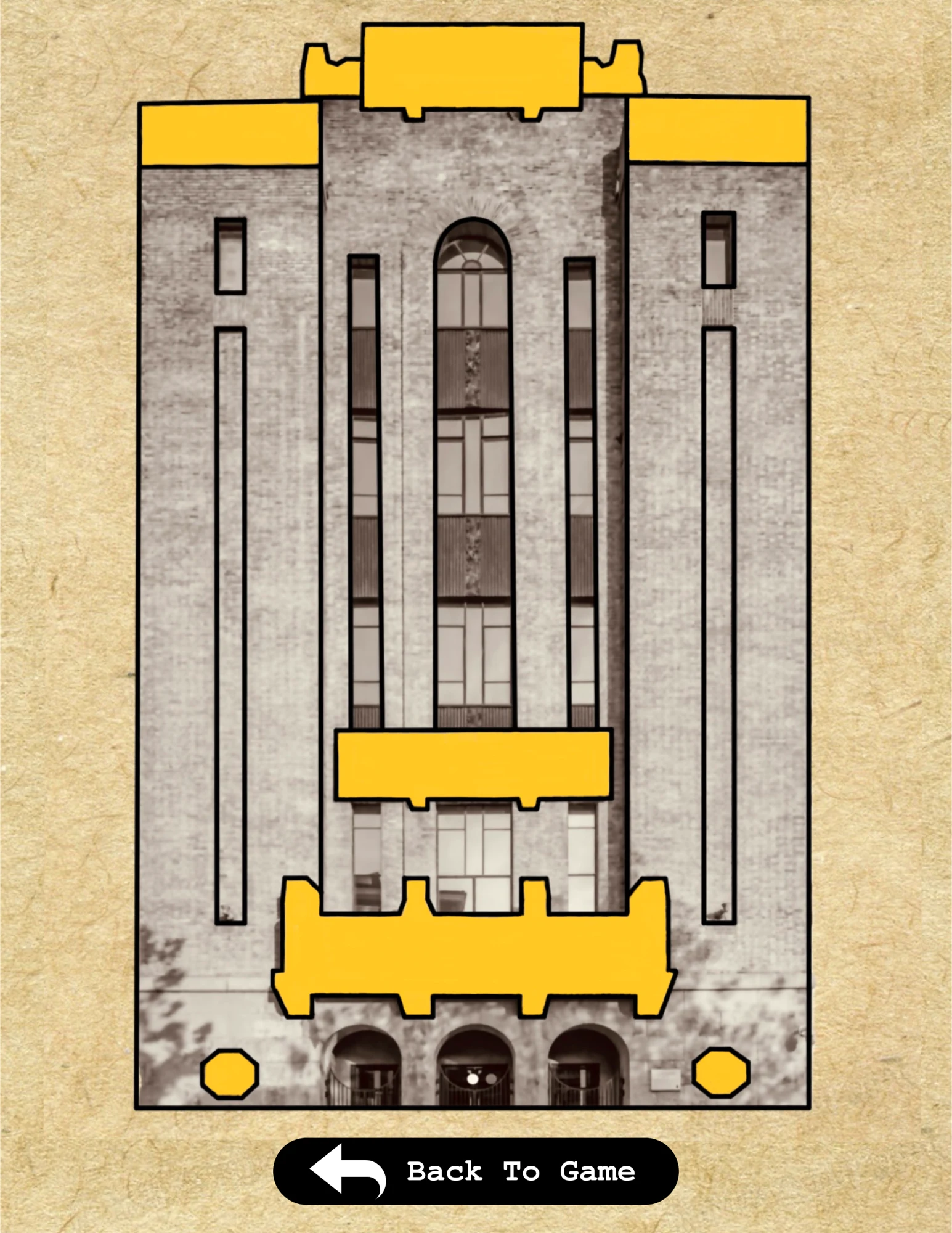
The visual aesthetics of our project are designed to evoke a sense of nostalgia and immersion. The primary UI element is a collection menu styled as an old parchment, where the collecting progress could be displayed. This minimalistic design ensures the player’s attention remains on the building’s architectural fragments instead of extra descriptive instructions.
Soundtrack & Audio Design
Our project aims to stimulate a nostalgic and retrospective atmosphere, tracing the research of RAS scholars, creating a warm and intimate impression. We have investigated the music of the 1920-40s Shanghai, and found out the trendy music was a mixture of Chinese classics and Western Jazz. To be coherent with our chosen theme of the project, and making sure the user experience is chilling, we applied Shanghai Jazz throughout scenes, acting as background music.
Final Project
In the gamified virtual experience, players are guided by Florence Ayscough, a former RAS scholar specialized in translation, in collecting the architectural fragments scattered around the virtual environment to piece all the decorations to the building façade. The project transforms fragmented architectural elements into interactive digital pieces scattered around the site, inviting participants to reassemble and engage with the building’s rich Art Deco and Chinese-inspired design. Through voiceovers and playful interactions, the experience aims to foster a comprehensive understanding of the RAS building’s role in connecting Eastern and Western cultural and arts traditions.
To provide a tangible connection between the past and present, and the virtual and physical space, the project concludes with a souvenir: a postcard featuring Ayscough’s message and signature. Players can stamp RAS architectural elements they’ve collected during the game, creating a meaningful keepsake that ties the experience together.
Images
Credits
A collaborative project by Jingchen Gao, Yuyang Hu, and William Yeh. Jingchen: Sound Designer & Virtual Architect. Yuyang: Researcher, Playwright & Visual Designer. William: Editor & Virtual Architect. Instructors: Lala Zuo and Xingchen Zhang.